Describe the work
Name the place, the problem and the Action. Keep a record of what happened and when, with its source and recorder.

Field
Field concerns real ecological work and the difference it makes. Ecological Action is real work in a real place. Records and evidence help assess what changed, why it changed and why it matters.

Planting with Whareroa Guardians Community Trust, Conservation Week 2017. Work towards recovery, not a verified outcome or NZ Ex Games-funded activity.
Source: Department of Conservation (NZ) · CC BY 4.0. Resized; full source frame retained.
Pocket Ecologist ↔ Mission ↔ Field
A Mission connects a question or knowledge gap with the work needed to answer it: why it matters, what is known, what needs finding out and what evidence would help. Work can be Online, in Field, or both. Reciprocal requests and contribution review describe the intended participation model. The available Mission exercises save work on this device; they do not send requests or deliver contributions for review.
An investigation in PE can reveal missing evidence. A Mission frames the observation or material needed; Field participants determine how to respond. The returned observation and its interpretation need review before strengthening shared knowledge in PE.
An unfamiliar sign, an identification problem or a change in a place can begin a Mission. Online participants research sources, compare interpretations and identify gaps. Reviewed knowledge returns to the Field question and shared ecology, or identifies what to examine next.
Hunt is a Mission mode: find the species, sign, evidence or occurrence. Other Missions may be answered through Online research alone. Field and Online participation share the question; neither replaces the other's judgement or contribution.
Bring photos, video or audio from the field. Your originals stay private while they await review.

Hokitika Gorge, West Coast. Landscape context, not a documented work site or recovery result.
Vaughan Hickson · Owner-authorised photography. Resized; full source frame retained.
NZ Ex Games is organised around ecological competition, and the work also welcomes people who are not competitors. Explore existing efforts, bring knowledge and help understand what makes a difference.
LOCATED means discoverable or revealed; ACTIVE means participating. A sourced Map listing alone does not establish participation, competition entry or permission to work in the field.
Name the place, the problem and the Action. Keep a record of what happened and when, with its source and recorder.
Observations and media can support evidence. Recording or submitting something does not verify it. Interpretation and identification remain distinct from the original report.
Verification tests a claim against its evidence. An established result still needs ecological context and attribution before its significance can be assessed. Activity alone is not impact.
Keep records with their sources so others can assess the result. Use Add to prepare your field media and check contribution availability.
Observation and evidence
These existing documentary examples show observation and record-making. They are not NZ Ex Games field results or evidence of participation in NZ Ex Games.

A bird count in the Christchurch area. Observation and recording, not a verified ecological result or NZ Ex Games participation.
Belle Gwilliam / Source: Department of Conservation (NZ) · CC BY 4.0. Resized; full source frame retained.

Checking a tracking tunnel, Christchurch area. Documentary fieldwork, not NZ Ex Games activity or evidence for a Hunt exercise.
Belle Gwilliam / Source: Department of Conservation (NZ) · CC BY 4.0. Resized; full source frame retained.

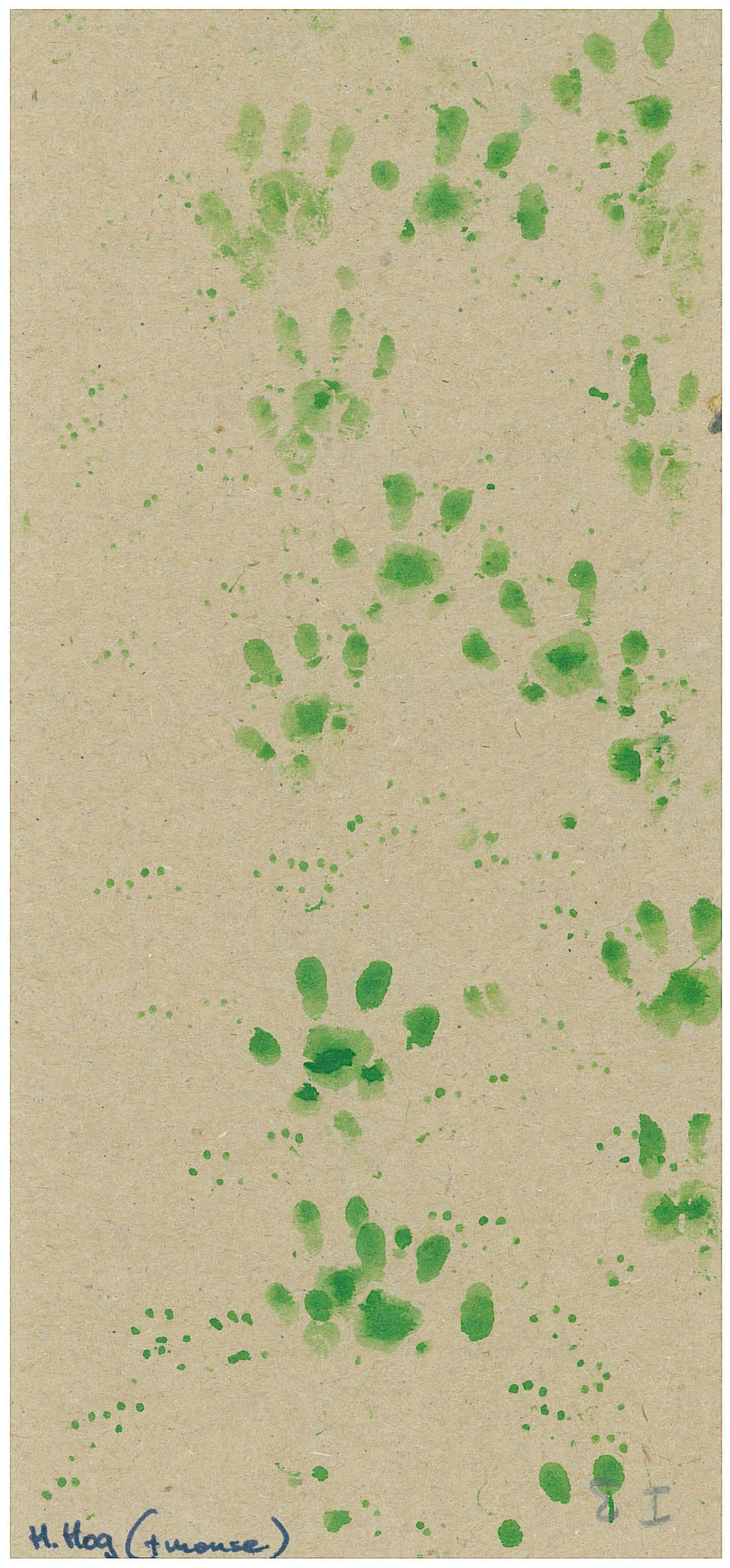
The source labels this card “Hedgehog and mouse footprints”. Individual marks are not diagnosed here. This is a separate example, not the card in the tracking-tunnel photograph.
Craig Gillies / Source: Department of Conservation (NZ) · CC BY 4.0. Resized; full source frame retained.
Pocket Ecologist connects ecological subjects, observable signs and questions. Keep what someone reports separate from what they think it means. An Observation need not record an intervention and does not automatically become accepted Evidence.