
Discovery · Aotearoa New Zealand
What is NZ Ex Games?
New Zealand’s extraordinary native ecosystems are worth protecting. Across the country, people are already protecting native species and restoring the places they live.
NZ Ex Games makes that work visible — connecting people, places, threats, action, evidence and results.
“Ex” is about excluding, extracting or expelling invasive species and pressures so native ecology can recover.
Competition
NZ Ex Games is organised around ecological competition: demonstrated recovery, reduced threats and lasting results — compared with the evidence, context and resources required to achieve them.
Where results are genuinely comparable, achieving an equivalent or better ecological result at lower intervention cost or resource demand ranks more strongly.
You don’t have to compete to take part.

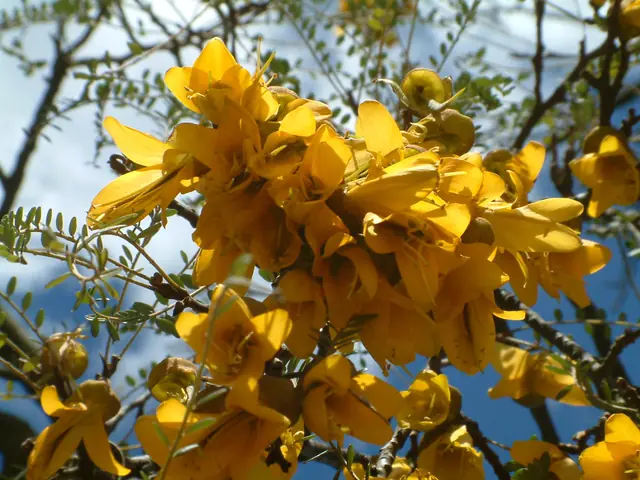
Kōwhai flowers, Southland. A separately sourced view of native flowering.
Kiri Pullen / Source: Department of Conservation (NZ) · CC BY 4.0. Resized; full source frame retained.
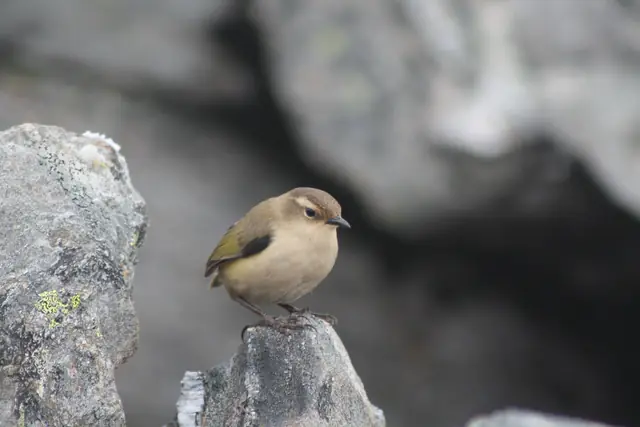
Rock wren in the Haast Range. A separate alpine setting, not a sighting at Hokitika.
Kerry Weston / Source: Department of Conservation (NZ) · CC BY 4.0. Resized; full source frame retained.
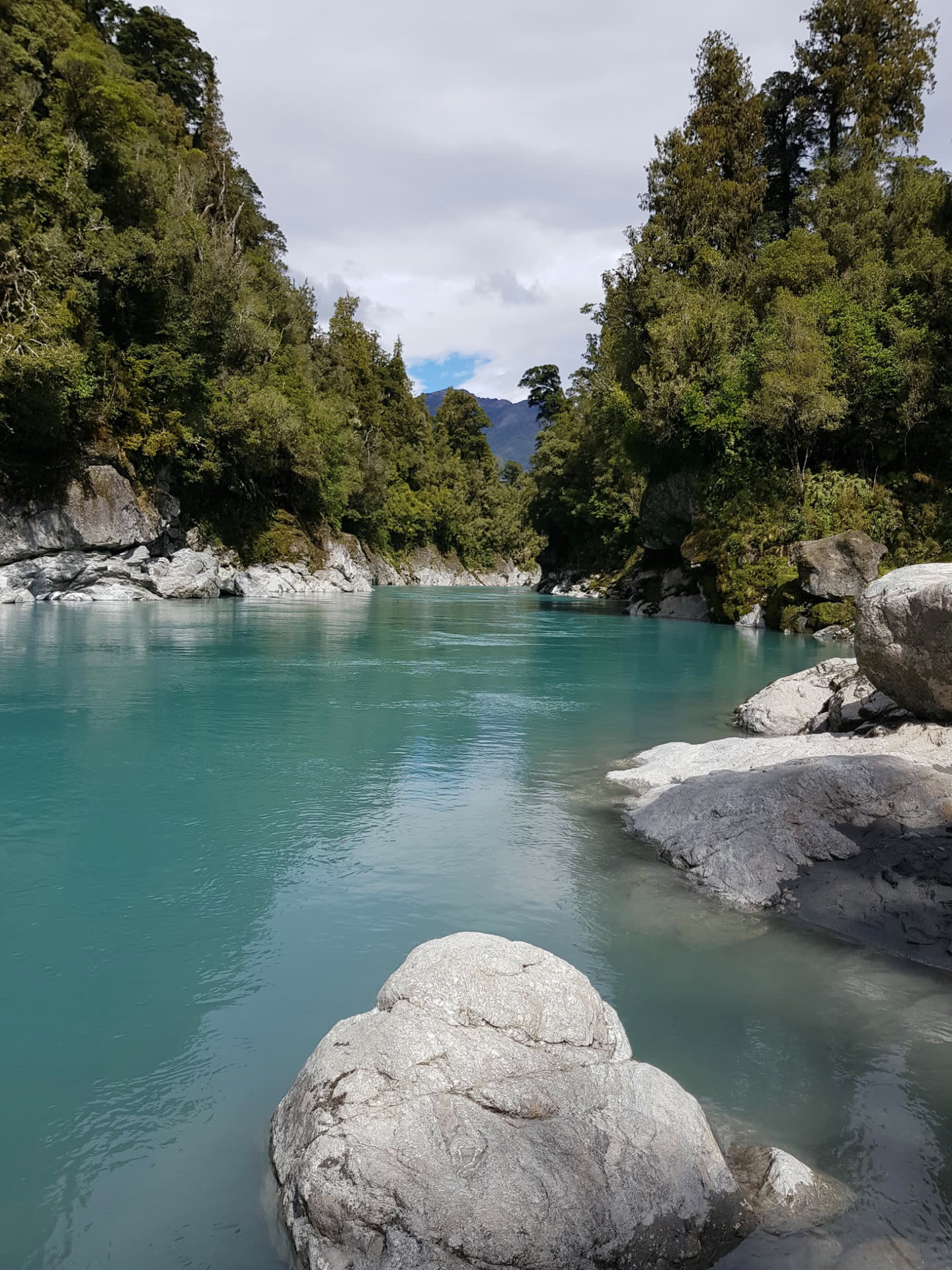
Hokitika Gorge, West Coast. Landscape context, not a documented work site or recovery result.
Vaughan Hickson · Owner-authorised photography. Resized; full source frame retained.
Field
What difference did you make?
Real ecological work in real places. Field participants document what is there, what they do and what changes. Their material can ground Pocket Ecologist; recording something does not make it verified Evidence.
Understand FieldOnline
Build the ecology.
Pocket Ecologist is the principal Online ecological investigation and play environment. A future stage will let players build their own PE environment around shared ecological knowledge, grounded in material from Field participants and enriched with appropriately sourced knowledge. Personal build and contribution tools are not available yet; you can explore reference material and try the Mission exercises now.
Explore Pocket EcologistShared ecological knowledge depends on sources, clear uncertainty and appropriate review. Personal interpretation remains distinct from verified evidence; exploring or building PE does not itself prove ecological impact.
Watch. Follow. Explore. Share. Support. Contribute.
Ecological competition organises the Games. People can explore, support and contribute to the work without themselves being competitors.
Understand CompetitionWhat can I do now?
Explore a place on the Map, learn about threats in the Hit List, or explore Missions and their Hunt-mode exercises. These public surfaces are available now, without an account.
Begin with a place or question that matters to you. Hunt exercises help you examine sources and find answers; progress stays on this device, separate from verified ecological results.
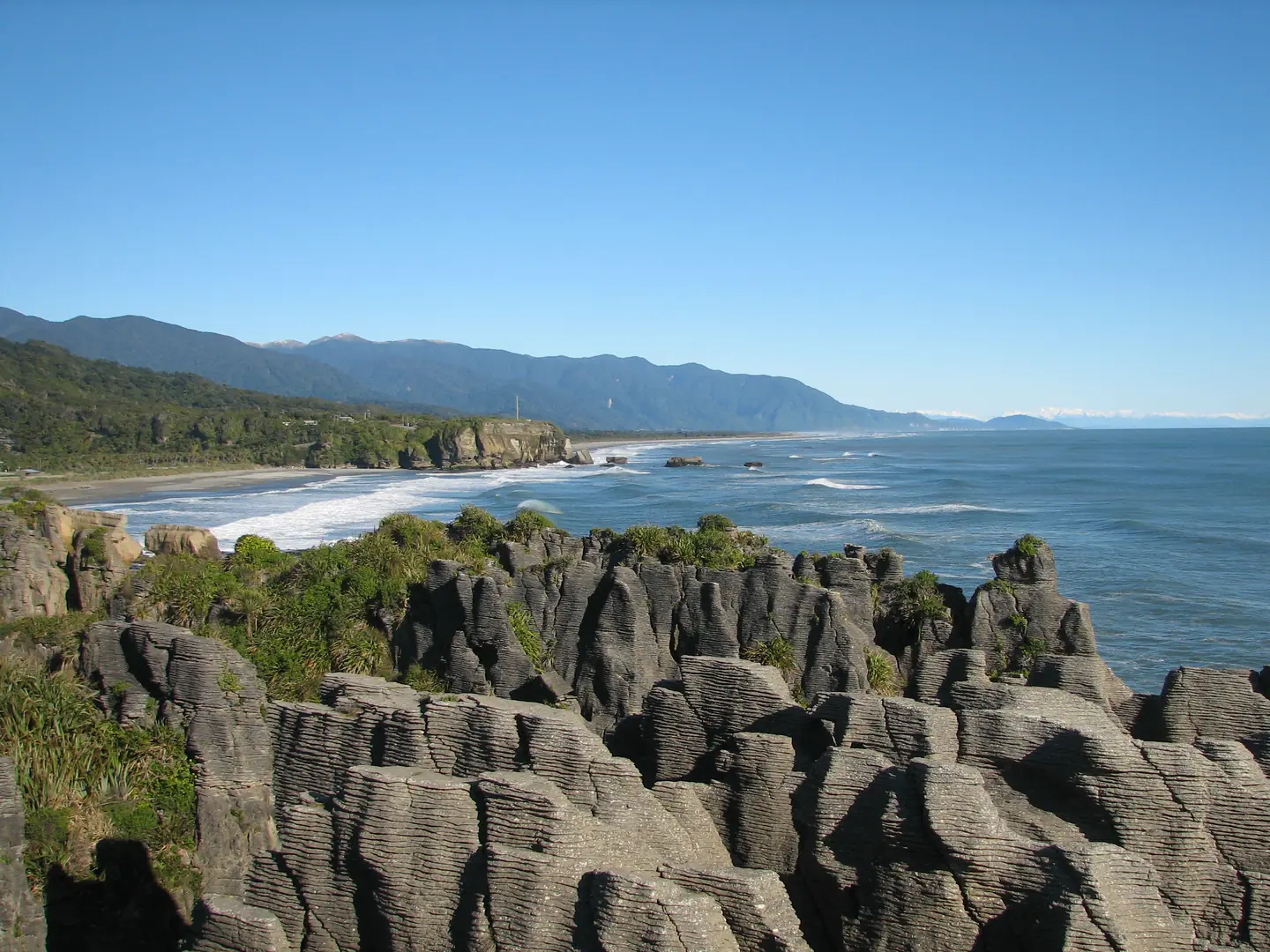
Punakaiki, West Coast. Limestone, surf and forested ranges; landscape context, not programme footage.
Michal Klajban / Podzemnik · CC BY 4.0. Resized; responsive display crop.

Can I just watch?
Yes. Follow the people, places and questions behind ecological work. Watch connects stories with their context, and you can explore without being a competitor.
See what's available in WatchCan I participate?
Yes. Explore real places and ecological work, investigate a Target, or try a Hunt exercise. Field work supplies observations and material; Online investigation connects that material with sources, questions and ecological knowledge. Exercise progress is saved on this device.
Explore ways to participateWhere is this happening?
Across New Zealand, in places on land, in freshwater and at sea. Explore the Living Map to put the work in context and find records near places you know.
Explore places on the Living Map
What's the problem?
Introduced predators, invasive plants and other threats put native species and their habitats under pressure. The Hit List explains these threats and what is known about them.
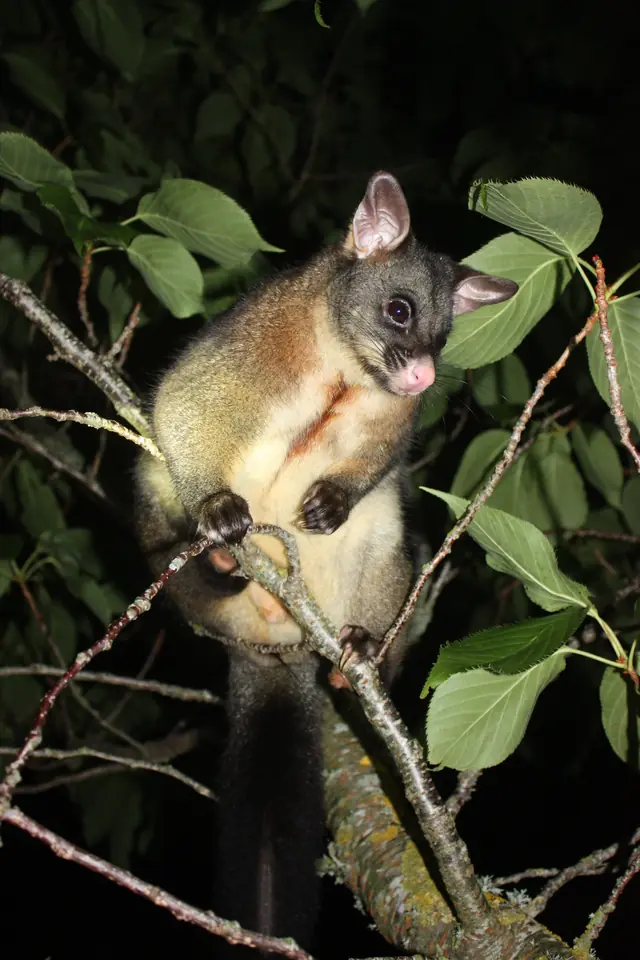
Common brushtail possum. Capture locality is not established; this is not a sighting in the adjacent forest.
Steve Pilkington / Source: Department of Conservation (NZ) · CC BY 4.0. Resized; full source frame retained.
The work is already happening.
Community groups, iwi, landowners, researchers and conservation teams are already protecting and restoring places. The Living Map helps you find sourced records of people, organisations and places across New Zealand.
These images show existing ecological environments, not NZ Ex Games results or endorsement by the source organisations. A map listing does not mean an organisation has joined NZ Ex Games.

DOC staff and Treaty partners looking into canopy in Whakatāne. Existing conservation context; no NZ Ex Games affiliation or endorsement.
James Stanbridge / Source: Department of Conservation (NZ) · CC BY 4.0. Resized; full source frame retained.

Planting with Whareroa Guardians Community Trust, Conservation Week 2017. Work towards recovery, not a verified outcome or NZ Ex Games-funded activity.
Source: Department of Conservation (NZ) · CC BY 4.0. Resized; full source frame retained.